 WIFT
WIFT- 3 min read
As a Diploma or Degree Civil Engineering student, you have most likely studied the theory of concrete structures. But have you ever wondered how modern high-rises and large housing projects rise at the speed of one floor every four days? The answer is aluminium formwork technology. At the Winntus Institute of Formwork Technology (WIFT), we believe academic knowledge must meet industry reality. To help you bridge that gap, here are the five core ideas of formwork in practice that every aspiring construction professional should recognise.
- 5core ideas in practice
- 150 hrscertificate programme
- 6 stepsfrom classroom to placement
- 4 daysa practised slab cycle
1. Monolithic casting
Conventional shuttering casts columns and walls today, and the slab much later. Aluminium formwork is engineered so that walls, beams and floor slabs are poured together in a single concrete pour. This is monolithic casting. With no cold construction joint between wall and slab, the result is a durable, seamless structure with better integrity against lateral loads such as earthquakes.
2. Hardware and components
On site the system is a kit of repeatable parts, and progress depends on the crew being able to name them:
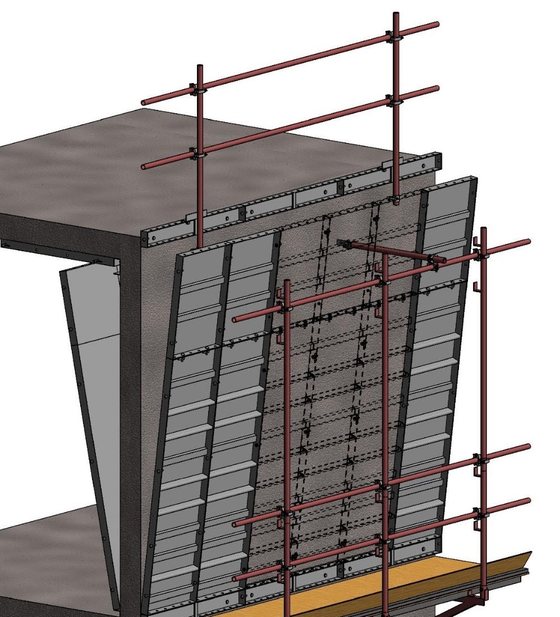
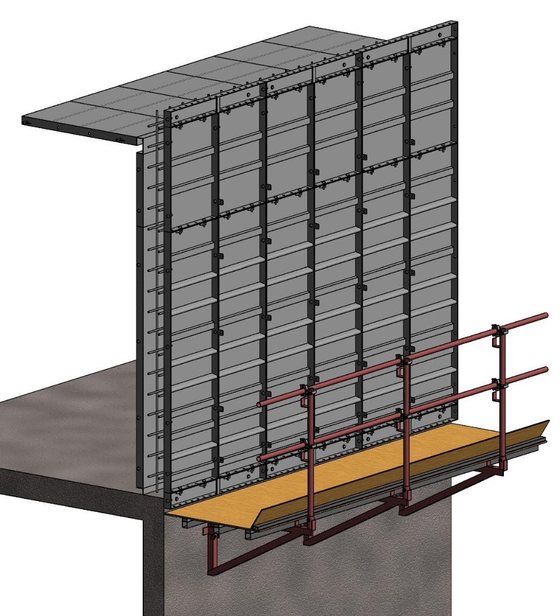
- Wall panels form the vertical faces.
- Deck panels carry the slab soffit.
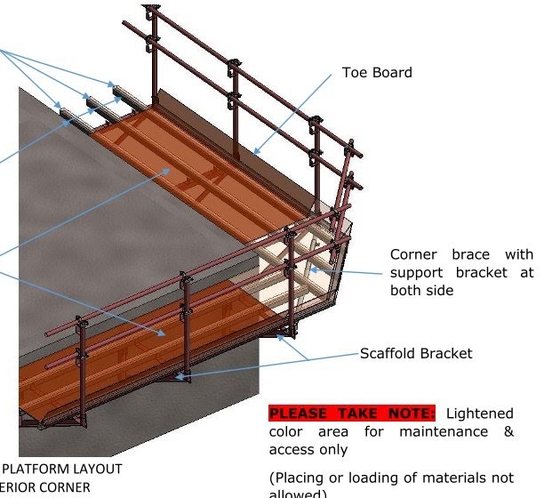
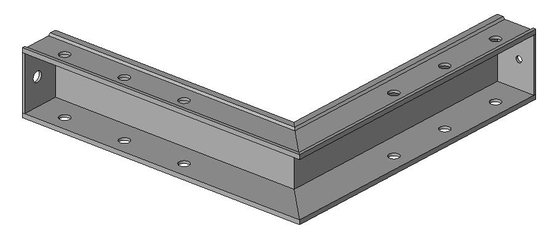
- Corner sections close the geometry at internal and external angles.
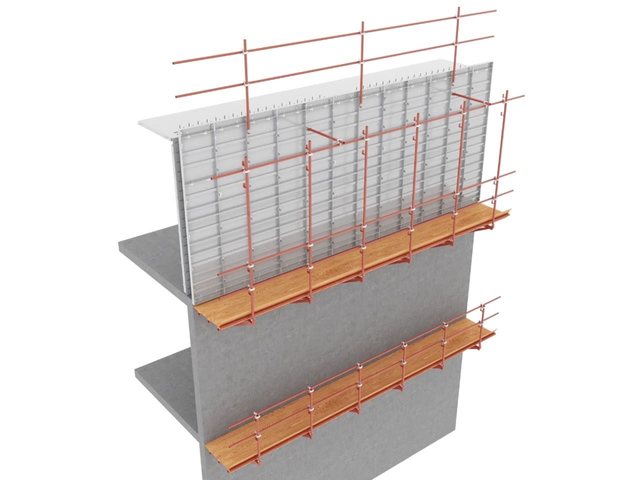
- Bracket platforms give safe working access along the wall line.
Pins, wedges and wall ties hold the assembly to line and level.
3. The science of striking
Striking — removing formwork — is not demolition. It follows a calculated sequence and safety protocol keyed to the strength the concrete has actually gained. Walls can often come off early while the deck stays supported on props, because the slab has not yet reached the strength to carry itself. Strike too soon and you risk deflection, cracking or worse; strike in the wrong order and you endanger the crew below.
4. Engineering for safety
Safety in aluminium formwork is designed in, not bolted on afterwards. Integrated working platforms and guardrails let operatives erect, align and strike from a guarded edge rather than an unsupported one. What the system cannot supply is discipline: supervision, housekeeping and PPE are what keep the site safe.
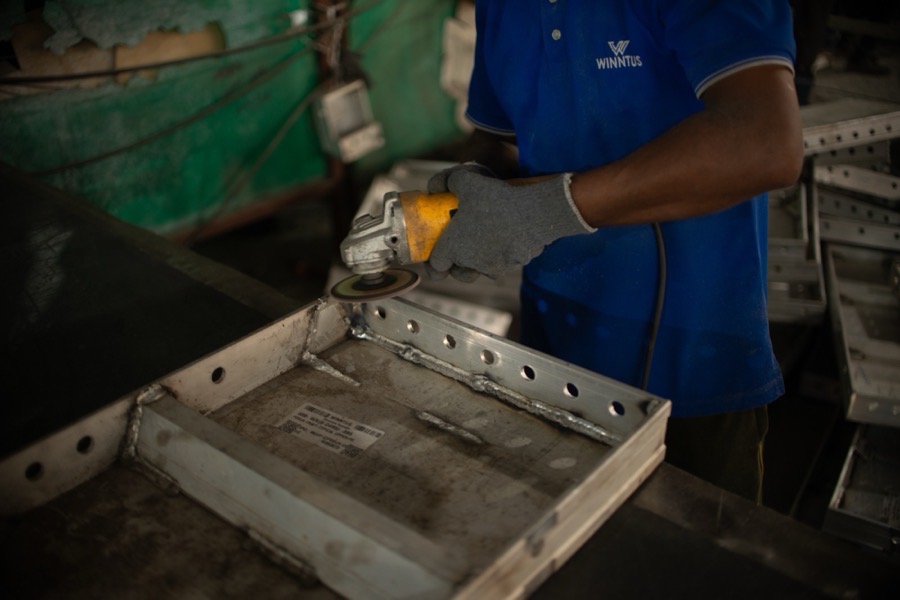
Reading about these concepts in a textbook is very different from handling the components on a live site.
5. The high-speed cycle
The commercial case for the system is speed. Because panels are light, reusable and deliberately standardised, the same set circulates floor after floor. With optimised cycle planning — crew sizes, striking sequence, panel staging and pour day all coordinated — a practised site can reach a four-day slab cycle. That is scheduling as much as it is shuttering.
Why theory isn’t enough
Reading about these concepts in a textbook is very different from handling the components on a live site. That is why WIFT has designed a 150-Hour Certificate Programme in Aluminium Formwork Technology & Site Practices.
Our unique six-step learning model ensures you do not just learn the concepts. You practice in a mobile practical lab, observe manufacturing in a factory, apply your skills on a live construction site, assess your competency, and finally connect with industry employers for placement.
Tags
Formwork Fundamentals Monolithic Casting Civil Engineering Practical Training WIFT CertificateReady to become an industry-ready engineer?
Don’t let your practical skills lag behind your academic knowledge. Explore the curriculum and take the first step toward a high-demand career in modern construction.
Explore the 150-Hour Programme Start with Formwork Fundamentals →